
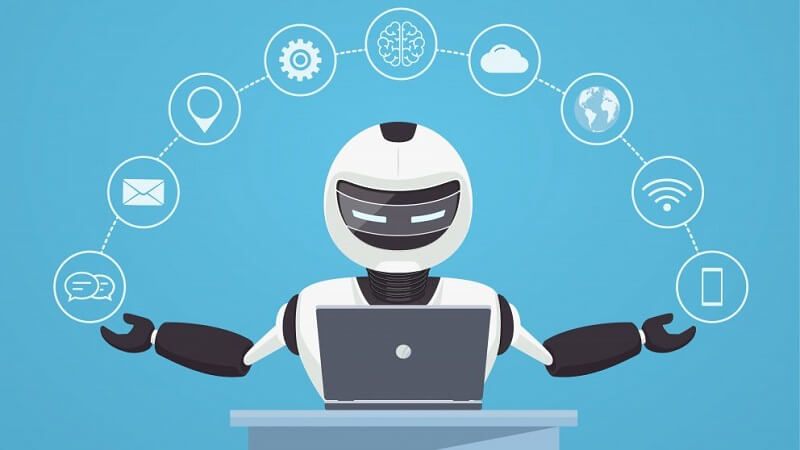
Artificial intelligence and smart agents will completely transform the world of technology by 2021
Whenever people are asked about their vision of the future, some themes come up again and again: flying cars, hoverboards, and virtual reality which are among the most popular ideas. But what people really seem to want are functional robots. A recent Forrester Research study named artificial intelligence (AI) and intelligent agents as two of its top five technologies that have the potential to completely transform the world of technology by 2021. In particular, service to customers as a key sector that will be affected by this. Asier Bollar, Marketing
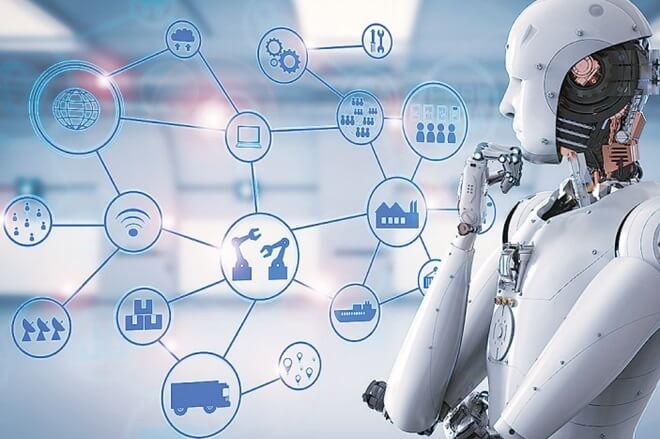
Is your company ready for artificial intelligence?
2019 had a powerful boom in the development and drive of conversational technology in the Spanish-speaking market. According to Gartner, chatbots and virtual assistants will be part of the daily life of companies and customers, in the next 2 to 5 years. Technologies based on Artificial Intelligence (AI) managed to find a niche in various companies, since these allow them to make their processes more efficient and have greater productivity. According to Adobe, currently only 15% of companies use AI globally, although this figure is expected to rise to 31%
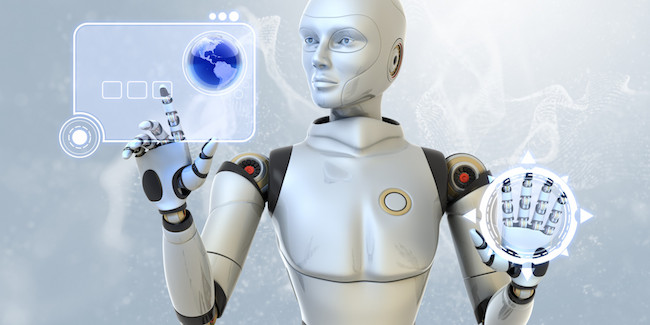
From tourism to banking, 4 sectors that are maximizing the use of Artificial Intelligence
As companies apply new technologies to boost their business, one of the advances that has been rapidly adopted has been Artificial Intelligence (AI). This year alone more than 40% of large companies are considering Implement this type of technology to improve the customer service experience, while increasing your income and reducing operating costs, whether it’s to book a plane ticket, open a bank account, join the gym or place an order at Online, people are already interacting through some kind of AI-based app to do day-to-day activities. That is why
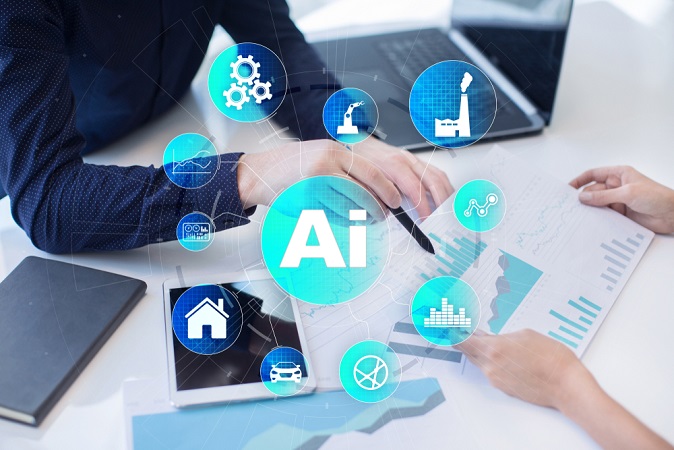
Four ways to successfully implement Artificial Intelligence in companies
Artificial Intelligence (AI) has made strides in the business world in recent years, as more companies are adopting new technologies to optimize their operating processes, streamline customer service and be able to create personalized advertising. In addition, this trend will follow the same path in the coming years: by 2023, spending on AI systems will reach $ 97.9 billion, more than two and a half times the 37.5 million that were planned for 2019. What It represents an annual growth rate of 28.4%, according to the Worldwide Artificial Intelligence Systems
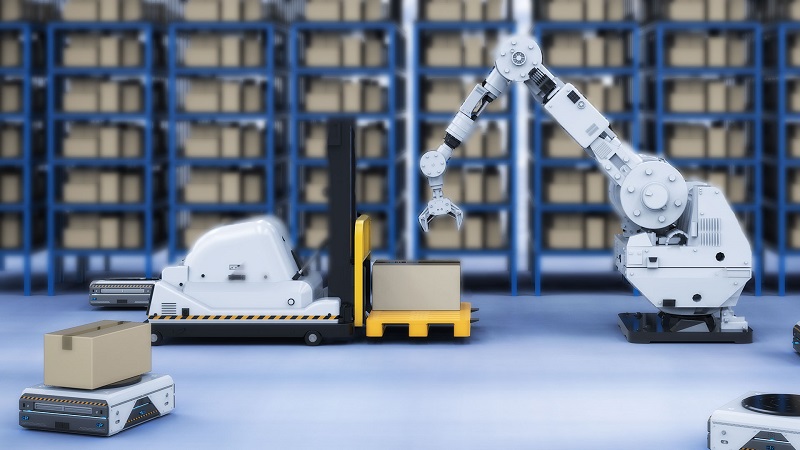
How do companies maximize the impact of artificial intelligence and automation?
Reflecting on the past two decades that I have spent in Silicon Valley, never before has technology been so linked to all facets of human life as now. The devices in our homes are connected to the Internet or activated by voice; Smart virtual assistants can make restaurant reservations and schedule our appointments independently; and we even drive cars that can park on their own and planes that fly alone. However, the most dramatic change is the complete transformation of the way we work. By the end of next year,

Artificial intelligence can know if you are going to quit your job
The great technological advances of the last decade have revolutionized the different spheres of life, affecting everything from our daily habits in our personal and professional lives to our economy, politics and culture. According to Jesús Gómez, director of the Mentoring Service area at Cerem International Business School, in this new paradigm, technology is placed at the center of the production process, taking efficiency to hitherto unknown limits. The new systems and work tools allow a great advance in the automation of tasks and their integration in the market, at
Artificial Intelligence and the human learning curve
Human intelligence has evolved over time, starting with the discovery of fire and the invention of the first wheel, to the investigation and understanding of extremely complex phenomena. This process has required generations of the human race to learn over the centuries through systematic efforts of discovery, experimentation, deduction, and induction, and sometimes by mere chance. How easy (or difficult) then is Artificial Intelligence (AI) to emulate human behavior? Today’s AI systems try to replicate the ‘feel-think-do’ cycle in many ways, building a learning base as they go. Some examples

By 2021, the use of Artificial Intelligence to combat fraud will triple
• Advanced analytics and the use of biometrics become critical to anti-fraud programs, reveals a survey by the Association of Certified Fraud Examiners (ACFE), in association with SAS, the analytics leader. Austin, Texas, June 26, 2019.- Although only 13% of organizations use artificial intelligence (AI) and machine learning (ML) to detect and combat fraud, 25% plan to adopt such technologies in the next two years, representing almost a 200% increase. Anti-fraud professionals revealed this and other technology trends in a global survey conducted by the Association of Certified Fraud Examiners
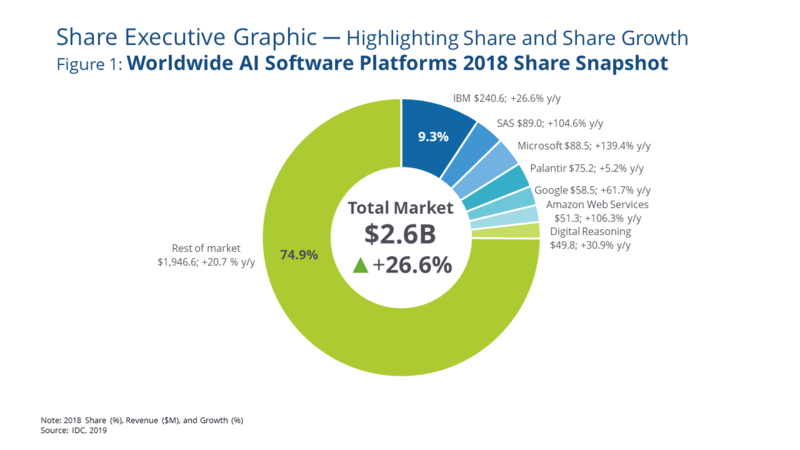
SAS Observes 105% Growth in Revenue in Artificial Intelligence Solutions
According to the Worldwide Artificial Intelligence Software Platforms Market Shares, 2018: Steady Growth – Moving Toward Production report from consulting firm IDC, the overall market for Artificial Intelligence (AI) solutions experienced sustained growth of 26.6% during 2018. During that same period, SAS achieved a growth rate of 104.6% (four times faster than the general market) and ranks second in the category of AI software platforms. “SAS had impressive growth in the artificial intelligence market, no doubt as a result of its analytical leadership,” said David Schubmehl, Director of Research for